
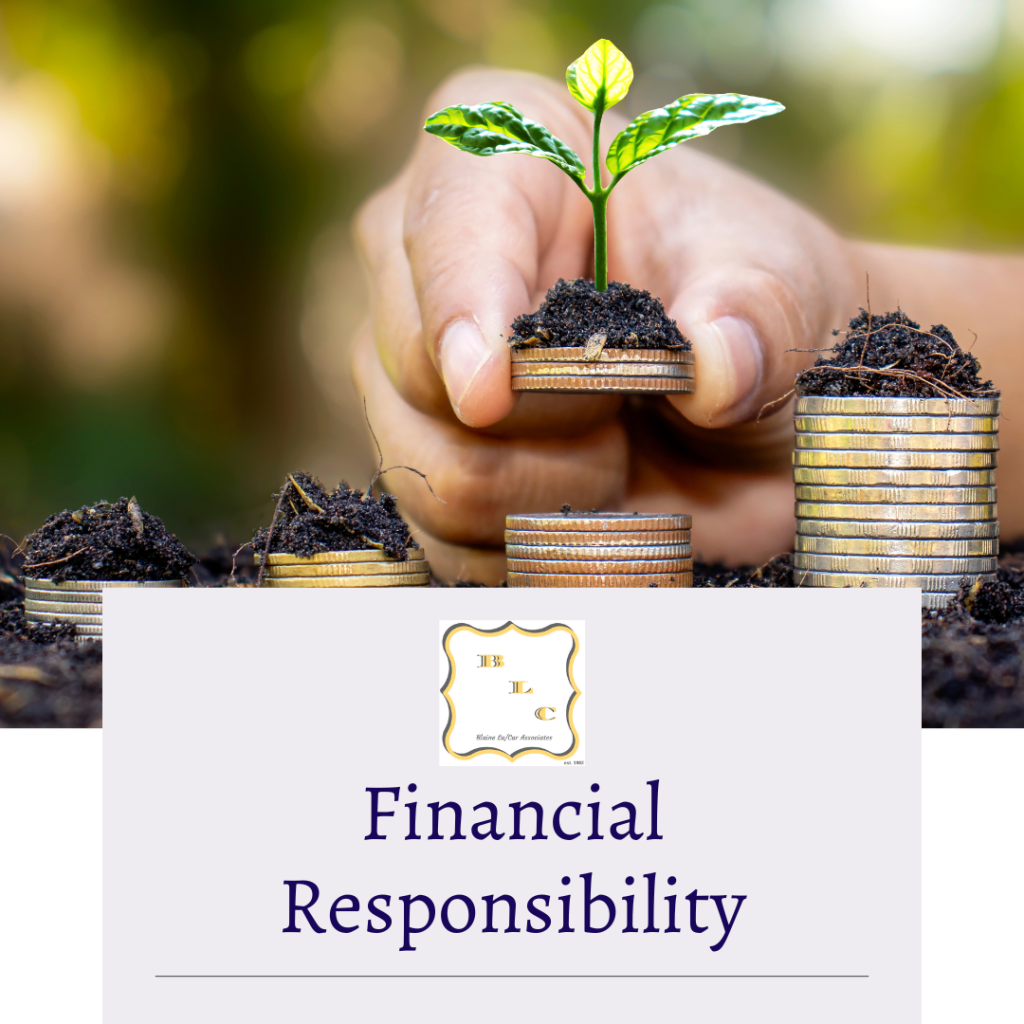
In today’s fast-paced world, financial literacy has become an essential skill, empowering individuals to make informed decisions and secure their financial well-being. While the journey to financial responsibility may seem daunting, it’s crucial to remember that it’s a gradual process that requires discipline, planning, and a commitment to long-term goals.
1. Embrace the Power of Budgeting
A budget serves as your financial roadmap, outlining your income and expenses. Creating a comprehensive budget is the first step towards financial awareness and control. Start by tracking your income, including your salary, wages, and any additional earnings. Next, identify your expenses, categorizing them into essential and non-essential items. Essential expenses include housing, utilities, food, and transportation, while non-essential expenses may include entertainment, dining out, and leisure activities.
2. Cultivate a Savings Habit
Saving money is the cornerstone of financial security. Make a conscious effort to set aside a portion of your income regularly, even if it’s a small amount. Consider automating your savings by setting up direct deposits from your checking account to a savings account. This way, you’ll be less tempted to spend the money and can watch your savings grow over time.
3. Prioritize Debt Management
Debt can be a significant burden, hindering your financial goals. Prioritize paying off high-interest debts, such as credit card bills, to reduce the overall interest you pay. Consider consolidating multiple debts into a single loan with a lower interest rate, simplifying your debt management process.
4. Embrace Delayed Gratification
While instant gratification may seem appealing, it can often lead to financial strain. Develop the habit of delaying gratification by postponing non-essential purchases. This will allow you to allocate more funds towards savings, debt repayment, and achieving your long-term financial goals.
5. Seek Financial Guidance
Don’t hesitate to seek professional financial guidance if you need assistance in managing your finances. Financial advisors can provide personalized advice and help you create a tailored financial plan that aligns with your goals and risk tolerance.
6. Stay Informed and Educate Yourself
Financial literacy is an ongoing journey. Stay informed about financial trends, investment options, and economic news. Read books, attend workshops, and utilize online resources to expand your financial knowledge.
7. Embrace a Mindful Spending Approach
Avoid impulse purchases and make informed spending decisions. Evaluate whether each purchase aligns with your budget and long-term financial goals. Consider the cost-benefit analysis of each purchase and prioritize items that bring genuine value to your life.
8. Build an Emergency Fund
Life is unpredictable, and unexpected expenses can arise at any time. Establish an emergency fund to cover unexpected costs, such as medical bills or car repairs. Aim to save enough to cover at least three to six months of essential living expenses.
9. Plan for the Future
Financial responsibility extends beyond managing your current finances; it also encompasses planning for the future. Consider your retirement goals and start contributing to a retirement savings plan early on. The earlier you start saving, the more time your investments have to grow.
10. Seek Support and Accountability
Surround yourself with supportive individuals who share similar financial goals. Discuss your financial plans with a trusted friend or family member to hold yourself accountable and stay motivated.
Remember, financial responsibility is a lifelong journey, not a destination. Embrace the process, learn from your experiences, and make informed decisions that align with your financial goals. As you navigate the road to financial responsibility, you’ll gain greater control over your finances and secure a brighter financial future for yourself and your loved ones.


 Blaine La/Car Associates
Leave a comment